Postgrad Chronicles #2

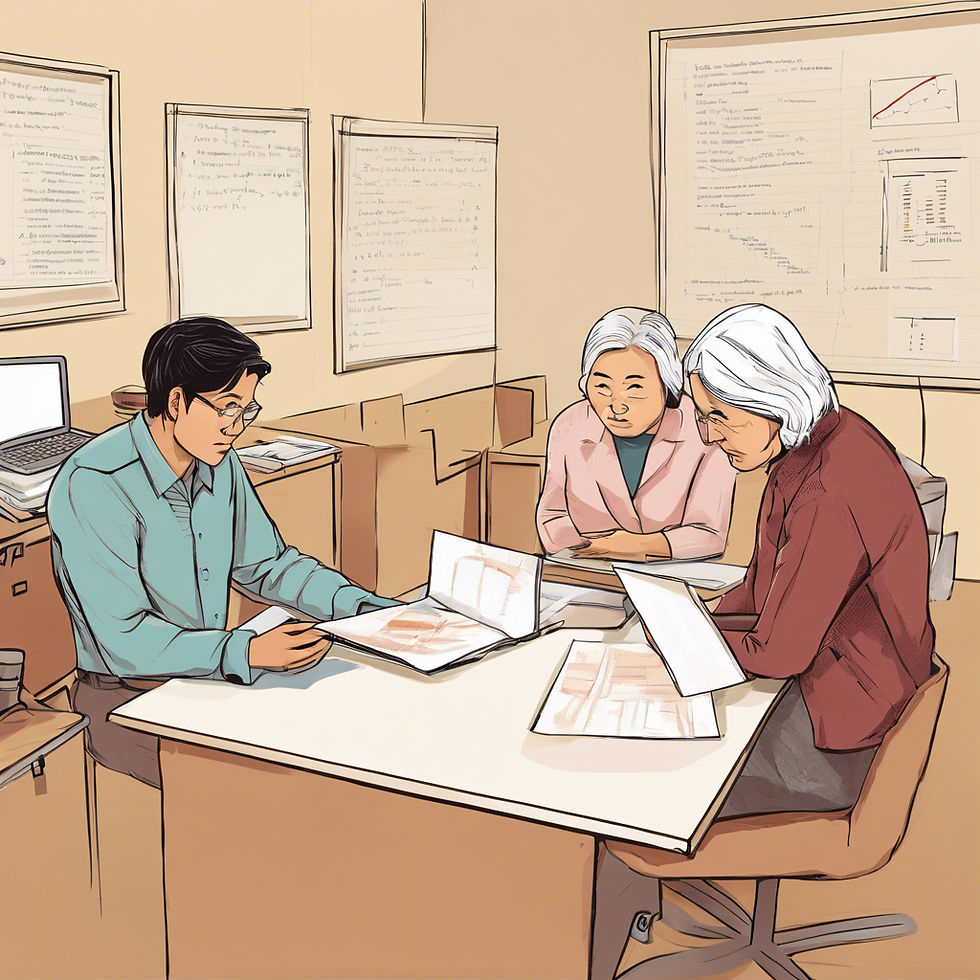
New week, same results—or rather, the same awkward conversations. Last week, during my progress meeting with my PI, I found myself in an uncomfortable spot. The issue wasn’t even about my own research, but some data I’d helped collect for a side project. Apparently, it was “unsatisfactory” because it didn’t match the original hypothesis.
At first, I was puzzled. Isn’t the whole point of scientific research to uncover the truth, no matter where the data leads? We start with a hypothesis, sure, but the experiment is supposed to test it. Whether the results confirm or contradict, it’s still valuable. But I also understand how grants and deliverables work. If a project’s results don’t align with the expected outcomes, it risks losing funding. That’s a lot of pressure to deal with, but thankfully, my own work isn’t tied to a grant. This gives me the freedom to be transparent with my data, even if it challenges my hypothesis. Of course, that freedom comes at a cost—namely, the fact that I’m an unpaid postgrad researcher, hustling purely out of curiosity and determination.
Ironically, the data in question wasn’t even from my own research. I’d been burnt out and procrastinating on my project when I decided to help out with my labmates’ experiments. They’d left for the holidays, leaving their setups unattended, and I thought it might be fun to dabble in something different. Besides, I figured if I collected enough data for them, they might reward me with an author spot on the paper—or at least a shoutout in the acknowledgments. With everyone gone until well into the new year, I had the lab to myself, which seemed like the perfect opportunity.
Here’s where things get interesting. My labmates don’t really see me as an equal (p.s. are all PhDs and postdocs, and I am just a first-year Master's researcher). To them, I’m more like the “little sibling” of the lab, someone they indulge but don’t entirely take seriously. When they returned, they weren’t bothered at all by the lack of productive data I collected. Instead, they found it hilarious. They even joked about how data manipulation is more common in academia than most people realize, casually throwing around terms like “carefully engineered data” and “reverse research”—where you decide what results you want first and then design the experiment to produce them. Their nonchalance caught me off guard. It was nice not to feel pressured, but it raised questions about the ethics and expectations of academic research(p.s. I am pretty sure my labmates are not doing this kind of research style; I see them defending data that does not support their hypothesis all the time to maintain data transparency. Maybe they said all that to make sure I don't feel too bad about not getting good data.).
When the progress meeting came around, I quickly realized I’d miscalculated. My PI wasn’t thrilled that I’d spent so much time on this side project, even if it wasn’t officially part of my work. They saw it as a distraction from my own research, and honestly, they weren’t wrong. Burnout had pushed me into procrastination, and I’d sought escape in someone else’s work instead of addressing my own challenges.
My PI, however, offered me some perspective I hadn’t considered. “Playing with other people’s data might be fun,” they said, “but it won’t help you recharge the way a proper break will.” I hadn’t thought of it that way. I’d convinced myself that staying in the lab—even if I wasn’t working on my own research—was better than stepping away entirely. But in hindsight, they were right. Sometimes, the best way to deal with burnout isn’t to double down on productivity in some other form—it’s to step back, breathe, and allow yourself to rest.
Still, I don’t regret helping out. It was fun to dive into a different aspect of research for a while, even if it didn’t lead to groundbreaking results. It gave me a new perspective on the experimental process and how lab dynamics play out. I might be treated like the kid of the lab, but there’s a freedom in that, too—people let you try things without holding you to the same expectations.
Now, I’m trying to refocus. My own research deserves my attention, especially since it’s untethered from the constraints of grant milestones. I’ve got big goals, and it’s time to start meeting them. If nothing else, this whole experience has taught me a lot about balance: balancing burnout and curiosity, side projects and core work, and transparency with the realities of academia.
In the end, research is messy. It’s full of detours and dead ends, unexpected challenges, and awkward meetings. But that’s what makes it worth doing. Every experiment, even the ones that don’t go as planned, is a step forward. Here’s to learning from the chaos, taking the occasional break, and finding the path that works—one awkward meeting at a time.



Comments